
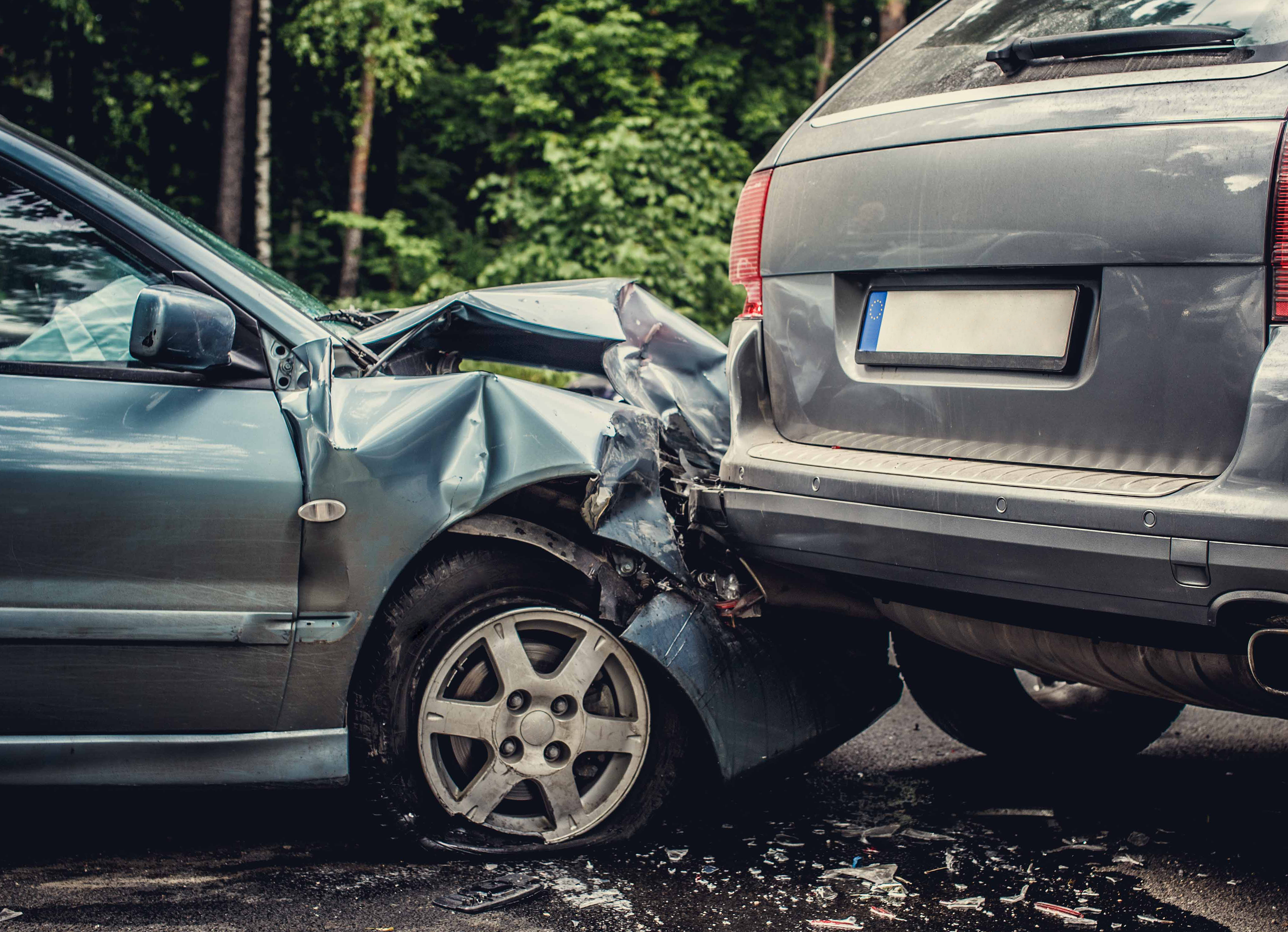
What to Do After an Accident With an Uninsured Driver
Being involved in a car accident is stressful enough, but the situation becomes even more overwhelming when the other driver doesn’t have insurance. Even though most states require motorists to carry liability coverage, many people still drive without it. When that happens, recovering money for medical expenses, damaged property, or missed work can feel complicated. The good news is that there are still several ways to protect yourself and pursue compensation.
Take Immediate Action at the Scene
The steps you take right after the accident can significantly influence the outcome of your claim. Start by checking yourself and any passengers for injuries. If anyone is hurt, call 911. Even if there are no obvious injuries, contacting law enforcement is still important so an official accident report can be created. This documentation is essential when the other driver lacks insurance.
While you wait for officers to arrive, collect as much information as possible. Ask the other driver for their name and contact information, and note the make, model, and license plate number of their vehicle. Take clear photos of the vehicles, the surrounding area, skid marks, traffic signs, and anything else that helps document what happened. These details can support your version of events and help determine who was responsible for the crash.
After you leave the scene, inform your insurance company as soon as possible. Reporting the accident quickly helps streamline the claims process and ensures your insurer has the information they need. Most states operate under an “at-fault” system, which means the party responsible for the accident is typically the one who must pay for damages. Because of this, determining fault is an important step before compensation can be issued.
Explore Your Insurance Coverage Options
If the uninsured driver is found to be at fault, your own auto policy may step in to cover your costs. Many drivers carry uninsured or underinsured motorist (UM/UIM) coverage. This type of protection is designed specifically for situations like this—when the other driver cannot pay for injuries or damage they caused. Depending on your policy, UM/UIM coverage may help pay for medical expenses, lost wages, and sometimes property damage.
Additional coverage types may also be helpful. Collision coverage can pay for repairs to your vehicle regardless of who is responsible for the accident. Personal injury protection (PIP), available in some states, may cover medical bills, rehabilitation, and even lost income, no matter who caused the crash. These optional protections can provide significant financial relief when dealing with an uninsured driver.
Without these types of coverage, however, your ability to recover compensation through insurance may be limited. That’s why it’s important to review your policy regularly to understand what is—and isn’t—included before an accident happens.
Consider Whether Legal Action Makes Sense
Another option after an uninsured driver causes a collision is to file a lawsuit. Through a legal claim, you may pursue reimbursement for medical treatment, property damage, pain and suffering, and other losses. However, suing an uninsured driver is not always practical. Many people who drive without insurance do so because they lack the financial means to pay for coverage, which may also indicate they cannot pay a court judgment.
Before deciding whether to take legal action, consult with an experienced car accident attorney. They can review your situation, assess whether the other driver has any assets, and guide you on the best way to build and document your case. An attorney can also help ensure you meet important deadlines and comply with state laws related to injury claims.
Handling Hit-and-Run Accidents
If the accident involved a hit-and-run, the process is generally similar to that of an uninsured driver case. When the at-fault driver cannot be identified or located, uninsured motorist coverage is typically the primary source of compensation. As with any accident, you should file a police report right away and contact your insurance company promptly. The sooner these steps are completed, the easier it becomes to move the claims process forward.
Getting Professional Help After an Uninsured Driver Crash
Managing the aftermath of an accident with an uninsured driver can feel overwhelming, but you do not have to handle it alone. A knowledgeable attorney can help you understand your coverage, communicate with your insurance company, and protect your legal rights throughout the process. They can also help you navigate claim disputes or delays, ensuring you receive fair consideration for your losses.
Taking swift action after the crash—gathering evidence, reviewing your policy, and seeking legal advice if necessary—can make a significant difference in your financial recovery. While the situation may feel frustrating, understanding your options and relying on the right support can help you move forward and secure any compensation you may be entitled to.