
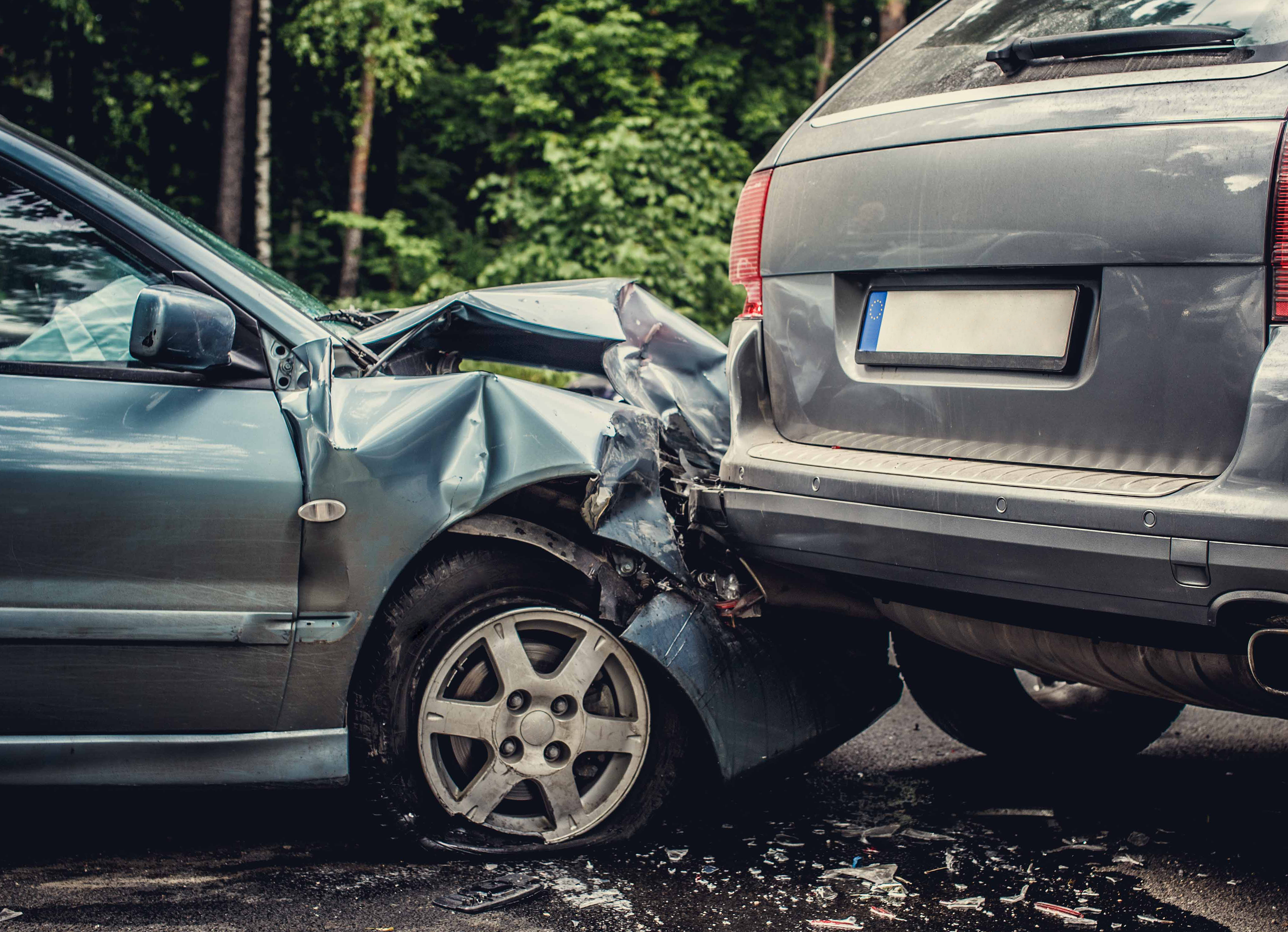
What to Do After an Accident with an Uninsured Driver: A Fresh Look at Your Options
Understanding the Challenges of an Uninsured Driver Accident
Any car accident can rattle your nerves, but discovering the other driver doesn’t have insurance adds a new level of stress. Even though most states require drivers to carry liability coverage, some people still choose to drive without it. When these situations occur, getting compensated for medical bills, missed work, and car repairs becomes more complicated — but definitely not impossible.
If you ever find yourself in a crash involving an uninsured driver, the steps you take in the moments right after the collision play a major role in shaping what happens next. Staying calm and following the right process can help protect your health, your finances, and your claim.
Immediate Steps to Take After the Accident
Your safety should always come first. Begin by checking yourself, your passengers, and the other driver for injuries. If anyone is hurt, call for medical help immediately. Whether or not you notice injuries, contacting law enforcement is essential so you have an official accident report. This document will be extremely helpful when dealing with insurance claims.
Next, collect as much evidence as you can. Write down the other driver’s name and contact information, get their vehicle details, and take clear photos of both cars, the surrounding area, and any visible damage. If witnesses are nearby, ask for their statements and contact information as well.
Once you’re in a safe place, notify your insurance company about the accident as soon as possible. Many states follow an “at-fault” system, meaning the insurance process hinges on who is determined responsible for the crash. Reporting promptly helps ensure your claim proceeds smoothly.
How Your Insurance Coverage Can Help
If the uninsured driver is found to be responsible for the accident, your own insurance policy may become your primary resource for financial recovery. Many drivers carry uninsured motorist (UM) or underinsured motorist (UIM) coverage. These protections typically cover medical expenses, lost income, and in some cases, property damage when the at-fault driver doesn’t have adequate insurance.
You might also have optional coverages that can step in regardless of who caused the crash. Collision coverage often helps pay for repairs to your vehicle, while personal injury protection (PIP) can cover medical treatment for you or your passengers. These options can significantly reduce your out-of-pocket costs, but if you don’t have them, your ability to collect compensation through insurance may be more limited.
Considering Legal Action
When insurance doesn’t fully cover your losses, taking legal action is another route to explore. Filing a lawsuit against the uninsured driver may allow you to recover compensation for medical bills, vehicle repairs, pain and suffering, and other damages tied to the accident.
However, pursuing a lawsuit is most effective when the driver has the financial ability to pay a settlement or judgment. If they have limited income or few assets, you might not receive the compensation you seek—even if the court rules in your favor. Speaking with an experienced car accident attorney can help you evaluate whether legal action is realistic and ensure your claim is well-documented.
What to Do in a Hit-and-Run Accident
Accidents involving hit-and-run drivers follow similar guidelines. Since you can’t identify the other driver, uninsured motorist coverage typically becomes your primary support. As with any accident, report the incident to the police right away and contact your insurance company as soon as you can. Quick reporting increases the likelihood of a successful claim.
Why Legal and Insurance Guidance Matters
Facing the aftermath of an accident with an uninsured driver can be overwhelming, especially when you’re already dealing with the emotional and physical impact of the crash. Working with an attorney can be incredibly helpful during this time. They can clarify your coverage options, assist with gathering evidence, communicate with the insurance company on your behalf, and help make sure your rights are protected throughout the claims process.
Understanding how your insurance applies and taking swift action after the accident are essential steps in reducing financial stress. Whether you rely on your UM/UIM coverage, pursue a claim through other types of insurance, or consider legal action, knowing your options gives you the confidence to move forward.
Taking Control After an Uninsured Driver Accident
While dealing with an uninsured driver is far from ideal, you are not without options or support. By taking the proper steps immediately after the crash, making full use of your insurance benefits, and seeking legal guidance when needed, you can protect yourself and work toward recovering the compensation you deserve. The process may feel frustrating, but you don’t have to shoulder it alone.