
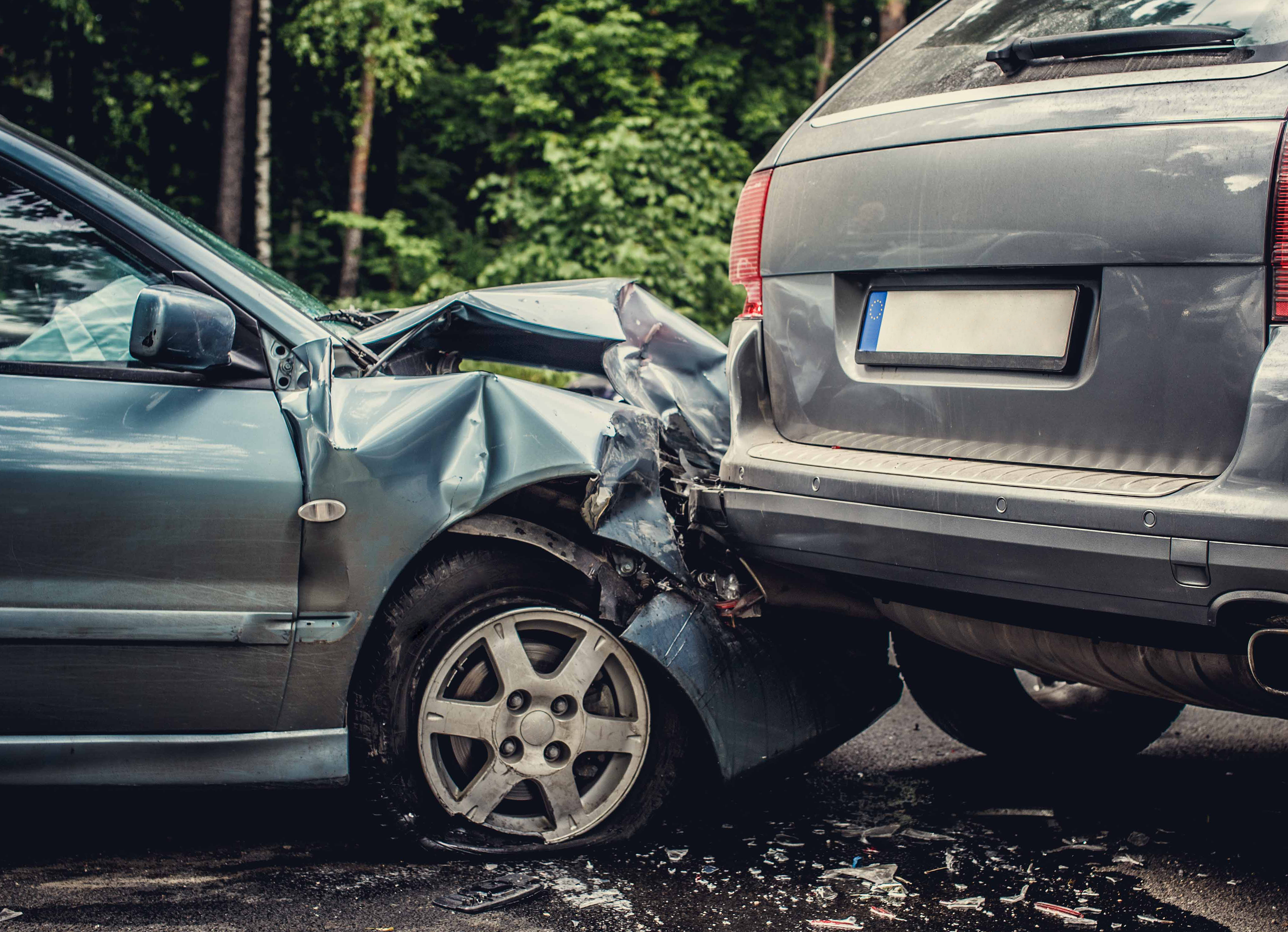
What to Do After an Accident Involving an Uninsured Driver
What to Do After an Accident Involving an Uninsured Driver
Being involved in a car accident is stressful enough, but discovering the other driver doesn’t have insurance can make an already overwhelming situation even more complicated. While most states legally require drivers to carry auto liability coverage, many people still get behind the wheel without it. When an uninsured driver is responsible for a collision, recovering compensation for your medical expenses, missed income, and vehicle repairs becomes more challenging — but it’s not impossible. Understanding your options can help you move forward with more confidence.
Take Immediate Action at the Scene
The steps you take right after the accident can significantly impact your ability to recover damages. Begin by checking for injuries — your own, your passengers’, and anyone else involved. Calling law enforcement is essential, even for minor crashes. A police report offers an official record of what happened and may support your insurance claim later.
Document the scene as thoroughly as possible. Collect the driver’s contact information, vehicle details, and any relevant observations about the situation. Capture photos of the damage to both vehicles, skid marks, road conditions, and the surrounding area. Once you’re safe and have gathered the key details, notify your insurance company promptly to start the claim process. Because most states use an “at-fault” system, determining responsibility for the accident will be an important next step.
How Your Insurance Coverage May Help
If the uninsured driver is found at fault, your own insurance may play a crucial role in covering your losses. Many motorists carry uninsured or underinsured motorist coverage, often referred to as UM/UIM. This coverage is designed to step in when the at-fault driver doesn’t have enough — or any — insurance to pay for the damages they caused.
UM/UIM coverage typically helps pay for expenses such as medical treatment and lost income. Some policies may also extend to property damage. If you have collision coverage or personal injury protection (PIP), those may also help cover repair costs or medical care regardless of fault. However, if you opted out of these additional coverages, your ability to recover through your insurer may be more limited and could require exploring other options.
Considering Legal Action
Lawsuits against uninsured drivers are sometimes an option, especially if your damages exceed what your insurance can pay. Bringing legal action may allow you to pursue reimbursement for medical expenses, car repairs, and non-economic damages like pain and suffering. However, it’s important to consider whether the uninsured driver has the financial means to pay a settlement or judgment. If they lack assets, a lawsuit may not result in meaningful recovery.
Consulting a car accident attorney can help you evaluate whether taking legal action is worthwhile. They can review your situation, explain your rights, and help you gather the evidence you’ll need if you choose to pursue a claim.
What to Do After a Hit-and-Run
If the accident involved a hit-and-run, many of the same principles apply. With no identified driver to hold responsible, your uninsured motorist coverage usually becomes the primary source of compensation. As with any crash, filing a police report and contacting your insurer as soon as possible are essential steps. The more information you can provide, the smoother the claims process will be.
Getting Support After an Accident with an Uninsured Driver
Accidents involving uninsured drivers can leave you feeling frustrated and uncertain about how to move forward. Fortunately, you don’t have to navigate the process alone. An experienced attorney can help you communicate with your insurance company, understand your policy limits, and ensure you take the right steps to protect your ability to recover financially.
By knowing your coverage options and taking quick, informed action after the incident, you can better manage the financial impact and work toward securing the compensation you need.