
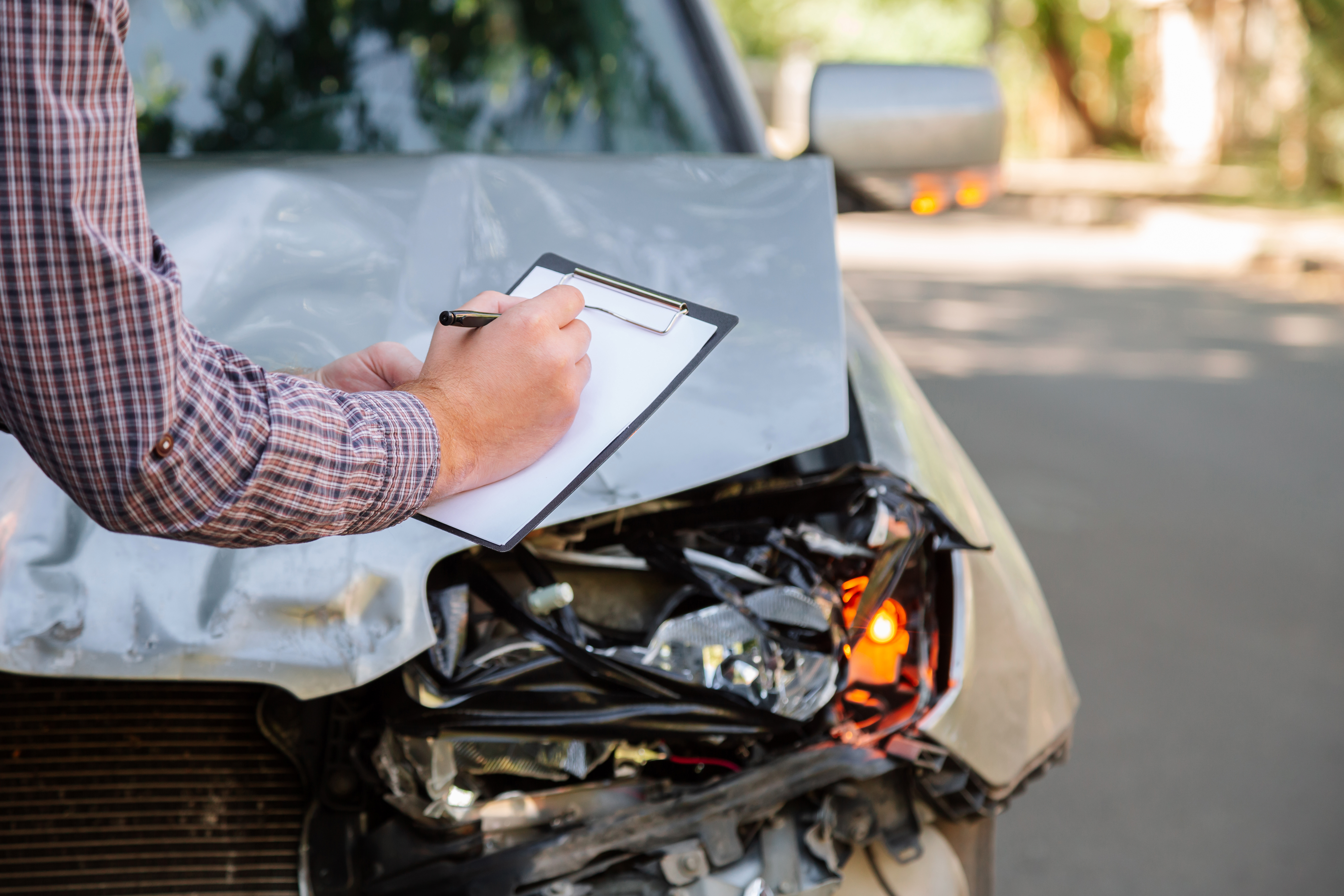
Understanding employer responsibility for work-related car accidents
When employees drive as part of their job—whether they are behind the wheel of a company-owned vehicle or using their personal car—their employer may share legal and financial responsibility if an accident occurs. This concept is rooted in the doctrine of respondeat superior, which allows an employer to be held accountable for an employee’s actions when those actions take place within the scope of their job duties. Tasks such as transporting goods, attending client appointments, or running business-related errands typically fall under this umbrella. On the other hand, if the employee is driving for personal reasons, is impaired, or is simply commuting, liability usually shifts away from the employer and toward the employee’s own insurance coverage.
Crashes that occur while an employee is on the clock are a major contributor to workplace injuries and fatalities across the country. Thousands of workers are harmed each year in incidents involving vehicles, leading to significant time away from work and substantial financial impact. The factors that cause these accidents often resemble those found on the road every day—distracted driving, excessive speed, fatigue, and unsafe vehicle conditions. However, driving for work adds additional pressures. Tight schedules, unfamiliar routes, and the need to multitask can all increase the risk of collision. Because of this, employers must ensure that their vehicles are properly maintained, provide adequate driver training, and create expectations that prioritize safety over speed.
When an employee is injured while driving for work-related purposes, they can generally seek workers’ compensation benefits. This no-fault coverage helps pay for medical care, rehabilitation, and a portion of lost wages, regardless of who caused the accident. Although workers’ compensation does not provide payment for pain and suffering, employees may still pursue a separate claim against another party if someone else’s negligence contributed to the crash. Even when employees use their own vehicles for work duties, they are still eligible for workers’ compensation. However, their personal auto insurance is typically responsible for repairing or replacing the damaged vehicle.
If the accident occurs while the employee is driving a company car, employer liability may depend on the specifics of the situation. Businesses often carry insurance policies that provide coverage when an employee causes an accident during work-related activities. These policies may pay for injuries to third parties and damage to property. If, however, the employee was acting outside their job duties, was impaired, or violated company rules, they could face personal consequences. In some situations, both the employer and employee may share the responsibility—especially if the employer did not take appropriate steps to screen, train, or oversee the driver, or if the company failed to maintain the vehicle properly.
Determining who is at fault in a work-related vehicle accident can be complex. It often requires examining what the employee was doing at the time of the crash, whether they were performing work tasks, and whether company policies were followed. Insurance coverage also plays a major role in shaping the outcome. Understanding these distinctions is important for both employees and employers because liability determines who pays for damage, how injuries are treated from a compensation standpoint, and which protections apply after an accident.
For employers, taking steps to reduce the likelihood of accidents is essential. Providing routine vehicle maintenance, offering safety training, and establishing realistic schedules can significantly reduce risky behaviors on the road. Creating clear policies about acceptable driving conduct—especially concerning distracted driving, substance use, and off-the-clock vehicle operation—can also help minimize liability. These preventive measures protect employees and reduce the chance of costly legal disputes.
Employees, meanwhile, should understand their responsibilities when driving as part of their job. Keeping vehicles in safe operating condition, following company policies, and avoiding behaviors that increase risk are all important. Employees should also know which insurance policies apply in different scenarios and be clear about when they are driving for personal reasons versus work-related tasks.
Ultimately, both parties benefit from having a clear understanding of how employer liability works when it comes to work-related car accidents. Knowing when workers’ compensation applies, how insurance coverage is triggered, and what factors influence fault helps ensure smoother processes in the aftermath of a crash. By staying informed and maintaining strong safety practices, employers and employees can navigate these situations more effectively and reduce the risk of serious consequences on the road.