
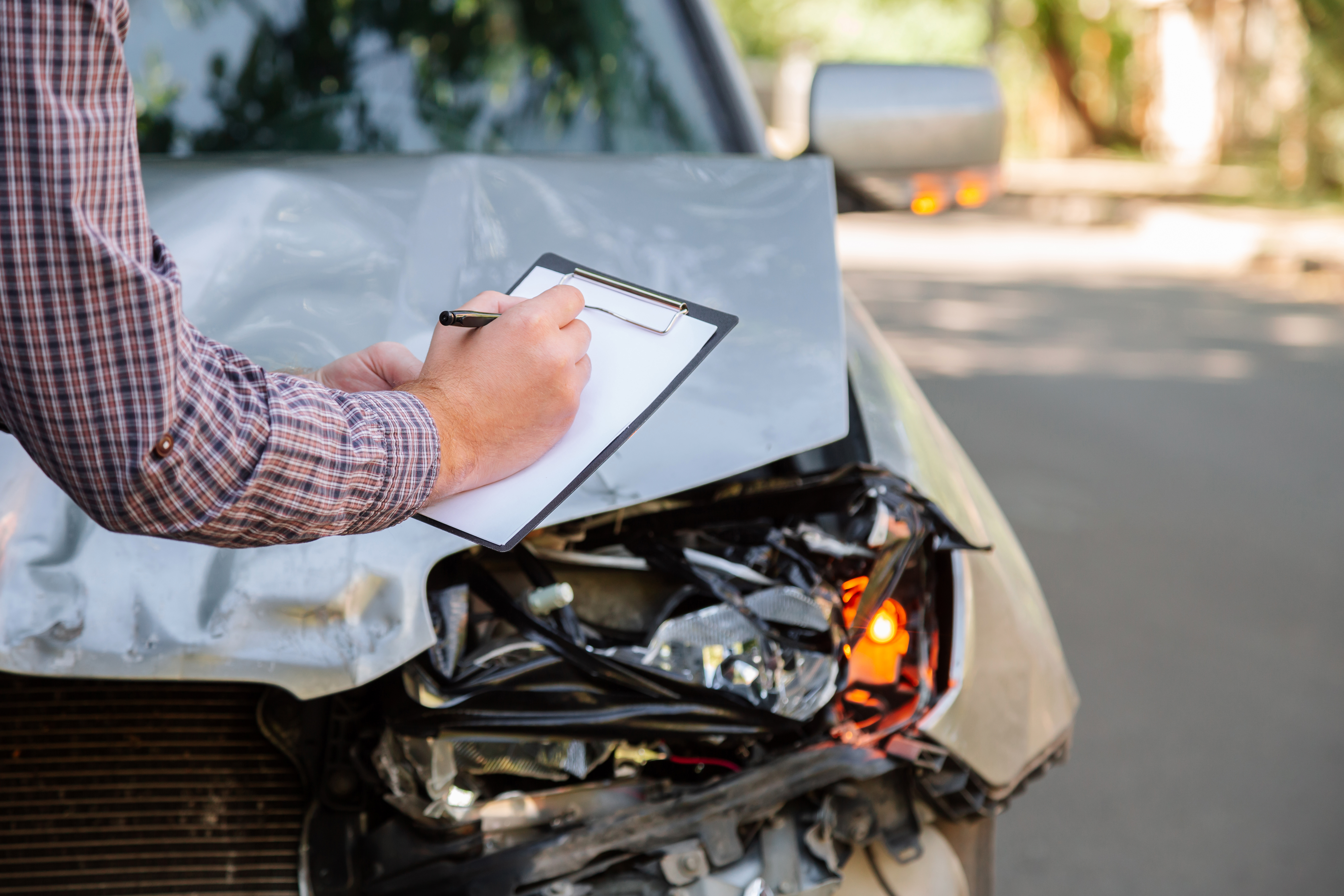
Employer Liability for Work-Related Car Accidents: Key Points to Understand
When employees hit the road for job-related tasks—whether in a company vehicle or their personal car—businesses may share responsibility if a crash occurs. This concept falls under the legal doctrine known as respondeat superior, meaning employers can be held liable for their employees’ actions when those actions take place within the scope of work. Activities like making deliveries, attending off-site meetings, or running business errands all fall into this category. By contrast, accidents that happen during personal outings, daily commutes, or situations involving substance impairment generally shift liability to the employee and their individual auto insurance.
Motor vehicle incidents are one of the most common sources of workplace injuries across the country. Each year, thousands of workers are harmed in accidents while driving for their employers, contributing to extensive lost work time and significant financial impact. The root causes of these crashes often resemble typical roadway dangers—such as distracted driving, fatigue, speeding, or mechanical issues—but the demands of work-related travel can amplify these risks. Employees navigating tight deadlines, unfamiliar destinations, or frequent communication demands may face added pressure behind the wheel. For that reason, employers play a critical role in keeping drivers safe by ensuring vehicles are well-maintained, offering defensive driving training, and setting reasonable expectations that help prevent unsafe behavior.
In cases where an employee is injured in a crash during work duties, workers’ compensation typically provides financial support. This benefit system operates on a no-fault basis, which means the injured worker can receive coverage for medical treatment, rehabilitation services, and partial wage replacement even if they were responsible for causing the accident. While workers’ compensation does not include payment for pain and suffering, employees may still pursue third-party claims against outside individuals or entities—such as other drivers or vehicle manufacturers—if their negligence contributed to the incident. Workers who use their personal vehicles for business purposes can still qualify for workers’ compensation benefits as long as the accident occurred within the scope of employment. However, any physical damage to the employee’s personal vehicle would need to be addressed through their individual auto insurance.
When an accident involves a company-owned vehicle, determining employer responsibility depends heavily on the circumstances. Many businesses carry commercial auto insurance that covers injuries or property damage involving company cars. This type of coverage can help pay for losses sustained by third parties who were affected by the collision. However, employees can still face consequences if they were acting outside the bounds of their job duties. For example, driving under the influence, violating organizational policies, or using the vehicle for unauthorized personal reasons could expose the employee to disciplinary action or personal financial liability. In some scenarios, both the employer and the employee may be held responsible—particularly if the business neglected essential driver screening, failed to provide adequate training, or did not maintain company vehicles in safe working condition.
Sorting out fault in work-related auto accidents requires a careful review of several factors. Investigators typically evaluate whether the employee was performing work tasks at the time of the crash, how closely the employer supervised or managed the driving activity, and what insurance policies apply. Specific questions often include:
- Was the employee driving for a job-related purpose? Tasks completed on behalf of the employer usually trigger shared liability.
- Did the employer provide proper training and oversight? Companies may bear more responsibility if inadequate supervision or safety procedures contributed to the accident.
- What insurance policies were in place? Coverage details determine who pays for medical costs, property damage, or legal claims.
Understanding these variables helps clarify which party—employer, employee, or a third party—must cover damages and how an injured worker will be compensated. For businesses, clear driving policies and consistent safety practices are crucial for reducing exposure to costly legal claims. For employees, awareness of these rules helps ensure they follow best practices behind the wheel and understand what protections apply if something goes wrong.
Ultimately, work-related driving comes with shared responsibilities. Employers benefit from maintaining safe systems, setting realistic expectations, and ensuring all vehicles and drivers meet safety standards. Employees, meanwhile, protect themselves and their companies by following driving guidelines, staying alert, and using sound judgment when representing the business on the road. When both sides remain informed and proactive, they create a safer working environment and minimize the risks associated with job-related travel.