
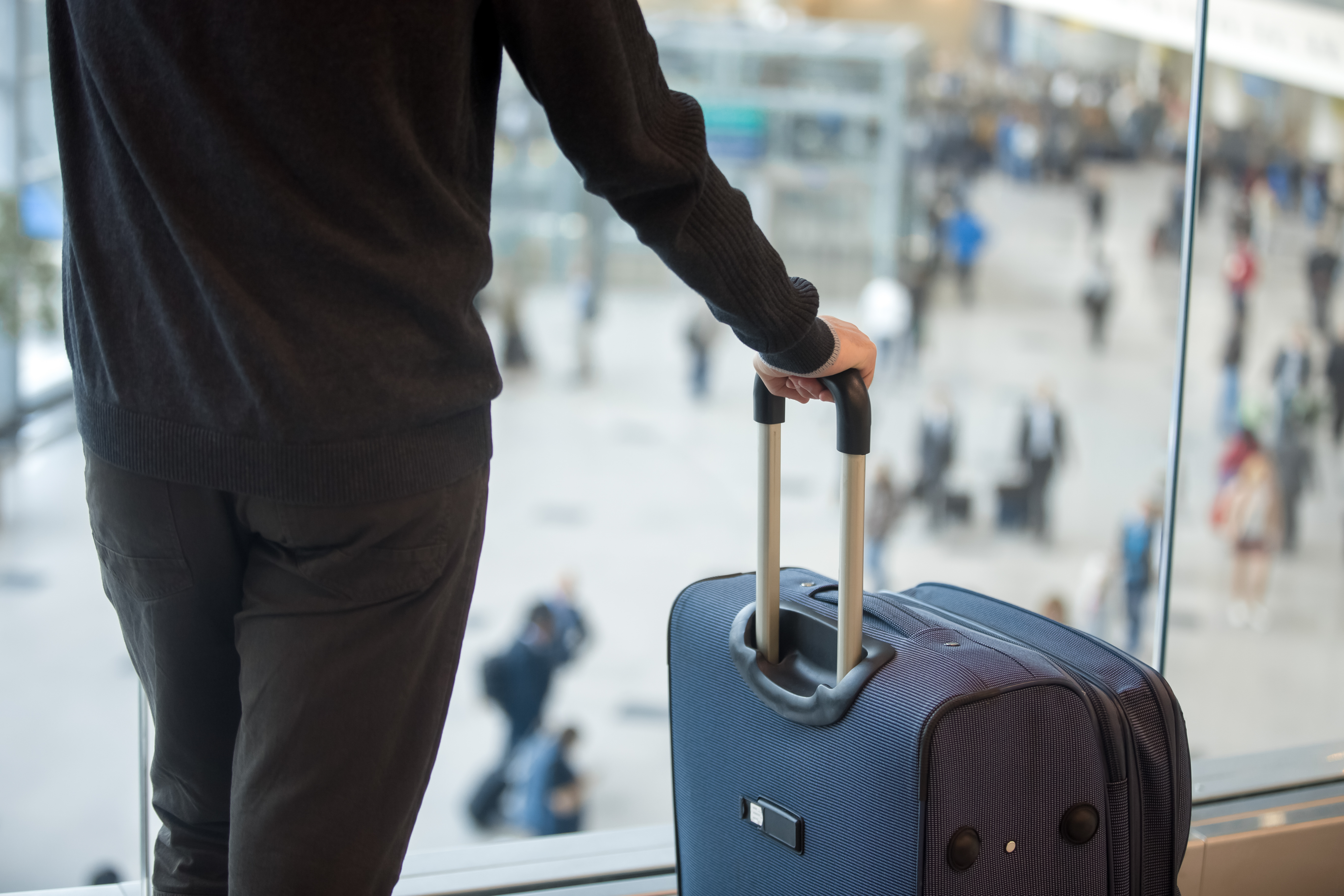
Spring Break Safety Tips: Simple Ways to Protect Yourself While Traveling
Spring break is the perfect chance to relax, recharge, and enjoy a change of scenery. Whether you’re hitting the road for a long drive, flying to a sunny destination, or unwinding by the pool, keeping safety in mind can make your getaway much more enjoyable. A little preparation goes a long way in preventing unexpected mishaps.
As personal injury attorneys, we often hear from people who run into trouble during spring break—many of whom never anticipated getting hurt. With a bit of planning and awareness, many common accidents can be avoided. Below are helpful reminders to keep you and your loved ones safe while making the most of your trip.
Be Mindful When Driving
Spring break brings more traffic, and with that comes an increased risk of car accidents. Long hours behind the wheel, late-night driving, and distractions can all contribute to dangerous situations.
Before heading out, map your route and schedule regular breaks to stay alert. Fatigue can impair your driving just as much as alcohol, so rest when needed and avoid pushing through exhaustion. If you’re with a group, rotate drivers to stay fresh. Keeping your phone out of sight also prevents the temptation to check notifications while driving.
Keep Your Lodging Secure
No matter where you’re staying—a hotel, resort, or vacation rental—taking a few simple precautions can help protect your belongings and personal safety.
Make sure all doors and windows are locked, whether you’re inside your room or out exploring. Avoid sharing your room number with people you don’t know and refrain from posting it online. Use the in-room safe for personal items such as IDs, credit cards, jewelry, and electronics. If you have one, a portable door alarm can offer an added sense of security, especially at night.
Also, be aware of potential hazards around the property. Falls, damaged furniture, or dimly lit walkways can lead to injuries. If you’re hurt due to unsafe conditions, notify the property staff immediately and write down what happened.
Stay Aware Around Water
Many spring break trips involve water—whether that’s a pool, a lake, or the ocean. While it’s great for relaxation and fun, water activities require caution to prevent accidents.
If you’re boating, jet skiing, or participating in other water sports, always wear a life jacket. Alcohol and swimming are a dangerous combination, and many water-related injuries occur when people underestimate the risks while drinking. If your rental property has a pool, make sure all access points are secure when it’s not in use. Families with kids should double‑check that gates close and latch properly.
Before heading to the beach or out on the water, take a moment to look at the weather forecast. Conditions can shift quickly, and being prepared helps you stay safe.
Use a Buddy System or Stay Connected
Traveling with friends or family is usually safer than going solo, but even in a group, it’s helpful to stay organized. Using a buddy system ensures everyone has a partner to check in with, especially in crowded areas or nightlife settings.
Choose a designated meeting point in case someone gets separated. If you’re traveling alone, share your plans with someone back home and check in regularly. Avoid walking alone after dark, and trust your instincts if a situation doesn’t feel right.
Be Mindful of Social Media
Posting your vacation moments in real time can seem fun, but it can also alert others that you’re away from home. This can unintentionally make your property vulnerable to break-ins.
To stay safe, consider waiting until you return home to share photos and updates. If you prefer posting during your trip, avoid tagging precise locations or sharing detailed schedules publicly. Keeping some information private helps protect both you and your home while you’re away.
Know What Steps to Take If You’re Hurt
Even with careful planning, accidents can still occur. If you’re injured on your trip, staying calm and responding quickly can make a big difference.
Write down the details of what happened and take photos of the scene and your injuries. If there were witnesses, collect their contact information. Even if your injuries seem minor, visit a doctor to document your condition—some issues don’t appear until later, and medical records are important if you choose to pursue a legal claim.
It’s also wise to contact a personal injury lawyer as soon as possible. They can walk you through your options, explain your rights, and help you pursue compensation if you’re entitled to it.
Plan Ahead Before Leaving Home
A little preparation before your trip can save stress later. Make copies of essential documents such as your ID, emergency contacts, and travel insurance information. Keep both paper and digital versions somewhere secure.
If you’re traveling internationally, take a moment to look up local emergency numbers and locate the nearest U.S. embassy or consulate. Knowing these details before you go can be incredibly helpful during an emergency.
Travel insurance is another smart consideration. It can help cover unexpected events like trip cancellations, lost luggage, emergency medical needs, or even legal assistance depending on your policy.
Enjoy Your Time, But Stay Alert
Spring break is meant for fun, relaxation, and memorable experiences—not for dealing with injuries or legal issues. By planning your drive, securing your lodging, being careful around water, staying connected, and being cautious about what you share online, you can make your vacation both enjoyable and safe.
If something does go wrong, remember that you don’t have to navigate the situation alone. We’re here to help you understand what comes next and support you through the process. Have a safe trip—and feel free to reach out if you need us.