
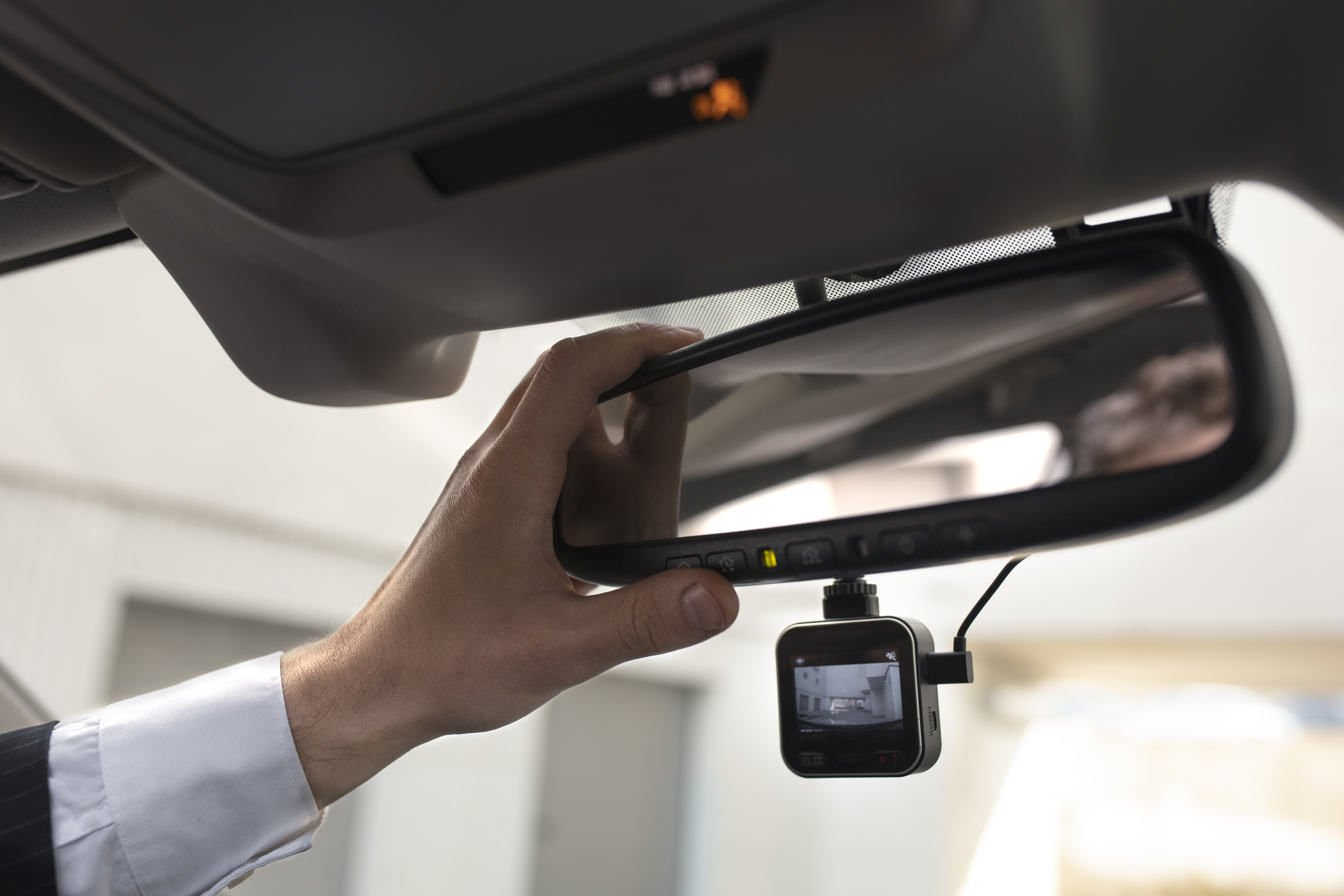
Should You Consider Using a Dash Cam?
Many drivers wonder whether installing a dash cam is worth the investment. These compact cameras can offer valuable clarity after an accident, especially when the details feel confusing or when accounts differ between drivers. Because collisions often unfold quickly and without clear witnesses, footage from a dash cam can provide reassurance and a factual record of what actually happened on the road.
Dash cams continue to rise in popularity as safety concerns increase and people look for practical ways to protect themselves behind the wheel. While they can be helpful tools, understanding both their strengths and their limits is essential before deciding if one is right for your vehicle.
Why More Drivers Are Turning to Dash Cams
Dash cams are becoming more common as drivers seek ways to document their experiences on the road. With crash rates still higher than they were several years ago, disagreements about fault and insurance claims are more frequent. In these tense situations, having objective evidence can make a major difference.
Research reinforces this trend. A study published in the Journal of Safety Research reported an 86% reduction in accident-related expenses when dash cams with driver feedback were used. Although the study focused on a specific group, the findings highlight how recorded footage can help decrease risky behavior and lessen the financial impact of crashes. For everyday drivers, it suggests that having video evidence may help resolve disputes faster and more effectively.
How Dash Cams Operate on the Road
A dash cam is a small recording device typically placed on the windshield or dashboard. When the car is on, it continuously captures video and stores it on a memory card. Most models rely on loop recording, meaning older footage is automatically replaced unless it is intentionally saved.
Some dash cams offer additional features beyond simple recording. Certain models can activate when they detect motion or a physical impact, even if the car is off. This can be useful for gathering evidence in parking lot accidents or hit-and-run situations. More advanced versions may include rear-facing cameras, night recording, GPS data, or cloud storage. No matter the features, the main purpose remains the same—creating a reliable visual record of events.
How Dash Cam Footage Helps After an Accident
One of the most significant advantages of a dash cam is its ability to capture the moments surrounding a collision. If fault is unclear and no witnesses are available, video can show what happened in a way that memories alone cannot.
Footage may reveal details such as traffic signals, turns, lane changes, or sudden braking. This can be especially helpful when trying to demonstrate that another driver drifted into your lane or failed to yield. Clear documentation can cut through conflicting statements and help support your account during insurance claims or legal conversations.
Protection From Fraud or False Allegations
While rare, staged collisions and fabricated claims do occur. In these scenarios, dash cam footage may serve as important protection. There have been cases where video evidence exposed intentional crashes or misleading stories meant to assign blame unfairly.
By recording events as they unfold, a dash cam can make it much more difficult for a dishonest claim to go unchallenged. Although no camera can prevent every bad-faith situation, having footage offers a valuable safeguard in uncertain circumstances.
Capturing Hit-and-Run Events
Hit-and-run accidents are particularly upsetting because gathering information about the responsible driver can be challenging. A dash cam may capture helpful details such as license plates, the model of the vehicle, or the direction the other driver fled.
Dash cams equipped with parking mode can be especially useful. If motion or impact activates the device, it may catch key information even when you’re not around.
Important Drawbacks to Consider
Although useful, dash cams are not flawless. They only record what falls within their view. If an accident occurs outside the camera’s angle or something obstructs the lens, the footage may not be helpful. Blurry video, low light conditions, or overwritten files can also limit their usefulness.
It’s also worth noting that dash cams do not favor one driver over another. If the video shows that you were distracted, speeding, or driving aggressively, that footage could potentially work against you. The camera simply captures what occurred, even if it reflects poorly on you.
Legal and Privacy Considerations
Using a dash cam comes with important responsibilities. Some states regulate where devices can be mounted, and placing a camera incorrectly may obstruct your view or violate local rules.
Privacy laws can also apply. In states with two-party consent regulations, recording audio inside the car without permission may create legal issues. Storing and handling footage properly is also important, especially if it might be used for insurance or litigation. Preserving the integrity of the video can play a critical role if it becomes evidence.
Is a Dash Cam the Right Choice for You?
Whether to install a dash cam ultimately depends on your personal preferences and driving habits. Those who drive frequently, commute long distances, or have dealt with disputed accidents may find that the advantages outweigh the drawbacks.
However, some drivers have concerns about privacy, the responsibility of maintaining the device, or the possibility that their own driving could be used against them. Understanding how dash cam footage may be treated by insurers or viewed legally can help you make an informed decision.
If you’ve recently been involved in a collision and want to better understand how dash cam footage might influence your personal injury claim, speaking with a professional can offer clarity. Video evidence can be powerful, but how it is managed and presented matters just as much as what it captures. If you need help evaluating your situation, our team is here to support you.