
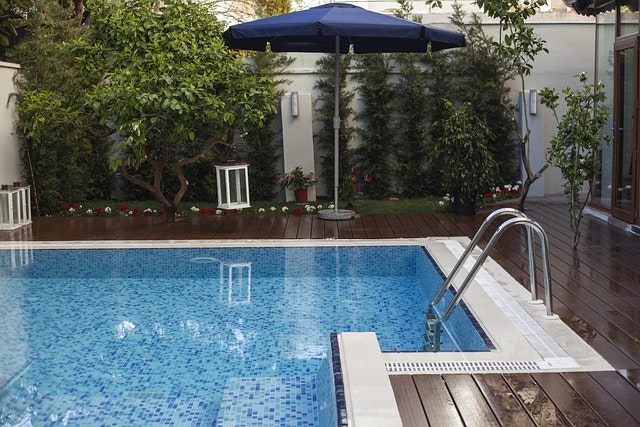
Summer Pool Safety and Liability
Swimming pools bring enjoyment during the warmer months, but they also introduce significant safety and liability considerations for property owners. Understanding these obligations helps reduce the risk of accidents and potential legal exposure. Taking proactive measures can protect guests, minimize hazards, and ensure a safe environment for everyone who uses the pool.
Halpern & Assoc, a personal injury law firm serving the Agoura Hills and greater Los Angeles area, regularly works with individuals affected by pool-related injuries. By understanding how premises liability applies to pools, property owners can be better prepared to prevent incidents and respond appropriately if an accident occurs.
Why Pool Ownership Requires Careful Attention
Having a pool can increase the appeal and value of a property, but it also brings added risk. Drowning accidents, slip-and-fall injuries, diving mishaps, and equipment malfunctions can occur quickly, even when conditions appear safe. A brief lapse in supervision or an overlooked maintenance issue may lead to severe harm.
Many pool-related injuries fall under premises liability law, which requires property owners to keep the area reasonably safe for visitors. When a hazardous condition is not corrected or disclosed, the owner may be held legally responsible. To establish liability, an injured party typically must show:
- A hazardous condition existed.
- The property owner knew or should have known about the danger.
- The hazard was not repaired or clearly communicated.
- The injury resulted directly from the unsafe condition.
Understanding these elements helps property owners recognize where risks might arise and how to address them before an accident occurs.
Hidden Hazards Versus Obvious Dangers
One important consideration in premises liability cases is whether the danger was easy to recognize or concealed. Property owners are not usually required to warn guests of risks that are widely understood, such as a wet pool deck being slippery. However, hazards that are not readily apparent may require repairs or warnings.
Examples of less visible risks include:
- Broken or loose pool ladders
- Drains that create unsafe suction
- Tiles beneath the water that are cracked or unstable
- Unexpected or poorly marked depth changes
When these conditions go unnoticed or unaddressed, the likelihood of an accident increases. Consistent inspections and routine upkeep allow property owners to identify these issues early and correct them before they lead to injury.
Special Responsibilities When Children Are Present
Because pools are especially enticing to children, many states apply the attractive nuisance doctrine. This legal principle requires property owners to take added precautions to prevent children from entering areas where dangerous conditions exist, even if the children do not have permission to be on the property.
Common safety measures designed to protect children include:
- Installing fencing at least four feet high
- Using gates that automatically close and latch
- Adding alarms to doors or directly to the pool area, when required by local rules
If a child accesses a pool and suffers an injury, courts may review whether the property owner implemented reasonable safety measures. Taking these precautions helps reduce risk and demonstrates responsible ownership.
Applying Practical Pool Safety Measures
Improving safety starts with consistent practices. A few key steps can significantly lower the likelihood of an accident.
- Secure the pool area. Fencing and locked gates help prevent unsupervised access, especially by children or guests who may not realize the risks.
- Inspect and maintain equipment. Items such as ladders, drains, pumps, slides, and covers should be checked regularly for damage or malfunction.
- Address hidden hazards quickly. Submerged debris, surface cracks, inadequate lighting, or loose tiles should be repaired promptly or clearly identified until fixed.
- Ensure proper supervision. Designating an attentive adult to monitor swimmers reduces the risk of unnoticed emergencies, particularly during gatherings.
These measures not only promote a safer environment but also help demonstrate that reasonable steps were taken to minimize potential liability.
Equipment and Maintenance Responsibilities
The state of pool equipment can greatly influence safety outcomes. Drains, slides, diving boards, pumps, and covers must be installed correctly and maintained on a consistent basis. Failing to keep these items in proper working order increases the chance of a serious injury.
For example, defective drains can produce strong suction forces that trap swimmers. Broken ladders or unstable slides may result in falls, while an unsecured cover can pose a drowning hazard. In some cases, responsibility may extend to manufacturers or distributors if faulty equipment played a role in the injury.
Maintaining equipment thoroughly and fixing issues promptly helps minimize these risks and protect users.
The Importance of Proper Insurance Coverage
Because pools increase the likelihood of accidents, insurance considerations are an important part of ownership. Many homeowners’ policies require that property owners disclose the presence of a pool as part of their coverage. Failing to provide this information or neglecting required safety measures listed in the policy may affect coverage if an accident occurs.
For those who frequently host guests, reviewing liability limits can be essential. Some property owners choose to increase their protection by adding an umbrella policy, which may offer additional coverage beyond standard homeowners insurance.
Understanding how your policy treats pool-related incidents ensures you are adequately protected if an injury takes place.
Steps to Take After a Pool Accident
Even with strong safety measures, accidents can still happen. When an injury occurs, handling the situation promptly and carefully is critical.
- Seek immediate medical attention for the injured person.
- Document the area, conditions, and any relevant details.
- Collect contact information from witnesses.
- Avoid making statements about fault until the situation is fully evaluated.
Consulting legal counsel can help clarify your obligations and next steps. Speaking with an attorney experienced in personal injury and premises liability ensures that rights and responsibilities are fully understood.
Swimming pools can create memorable experiences, but they also require ongoing attention to safety and maintenance. Property owners who stay informed about their legal responsibilities and take preventive steps can help protect visitors and reduce the chance of an accident. If you have questions about pool safety, liability issues, or a specific incident, connecting with knowledgeable legal support can provide important guidance.