
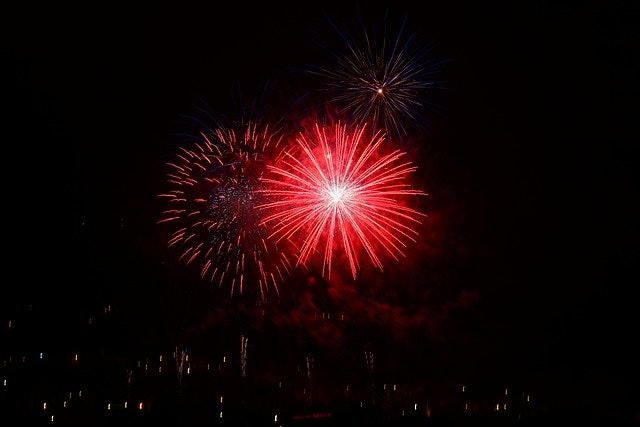
Fireworks Safety Month - June 1 - July 4 - Legal Considerations
Fireworks Safety Month serves as an annual reminder that summer celebrations, especially those surrounding the Fourth of July, require both excitement and caution. While fireworks are a cherished part of seasonal gatherings, they consistently lead to thousands of preventable injuries and significant liability concerns each year. Understanding the risks, applicable personal injury principles, and the steps to take after an accident can help protect your wellbeing and your legal rights.
Recent nationwide reports estimate that about 14,700 individuals suffer fireworks-related injuries annually. Whether attending a local neighborhood show or operating consumer fireworks during a private event, recognizing the dangers associated with FireworkSafety, FireworkInjuries, and LiabilityRisk is essential for a safer holiday season.
Why Firework Injuries Rise Around July 4
Every year, the days surrounding Independence Day bring a surge in firework activity and, in turn, a marked increase in firework-related injuries. A significant portion of accidents involve consumer fireworks used at informal gatherings rather than professional displays. Inexperienced handlers, crowded backyard celebrations, and relaxed safety practices all contribute to elevated injury rates during this period.
Even in areas where fireworks are legally permitted, lack of supervision or improper use can quickly transform a festive environment into a dangerous one. Many injuries occur simply because basic precautions—such as creating adequate distance or following product instructions—are overlooked during celebrations.
Common Injuries Caused by Fireworks
Fireworks can cause a wide spectrum of harm, ranging from mild burns to severe, life-changing trauma. Having a clear understanding of the most frequent types of FireworkInjuries can help individuals recognize just how serious these incidents can be.
Burn Injuries
Burn injuries represent roughly 37% of all firework-related harm each year. Hands, arms, and other exposed areas of skin are especially vulnerable. Even sparklers, often considered harmless, burn at extreme temperatures capable of causing significant tissue damage.
Malfunctioning fireworks that ignite unexpectedly, tip over, or explode prematurely can result in burns that require specialized medical care, extended treatment, and ongoing monitoring to prevent complications.
Eye Injuries
EyeInjuries are among the most serious consequences of improper firework use because they carry the risk of permanent vision loss. When spectators stand too close or when devices are launched improperly, the chances of sustaining an eye injury increase sharply.
Flying sparks, debris, or explosive force can cause deep corneal damage or even penetrating trauma. Anyone who experiences an eye injury from fireworks should seek immediate medical attention to reduce the likelihood of lasting impairment.
Lacerations, Fractures, and Hearing Damage
Firework accidents can also produce deep cuts, fractures, or blunt-force injuries, particularly when devices malfunction and send debris into a crowd. The powerful blasts associated with fireworks may also cause temporary or permanent hearing loss, especially at close range.
Additionally, smoke and chemical residue can irritate the respiratory system, creating further health risks in enclosed or heavily populated areas.
Severe Blast Injuries
The most catastrophic incidents often involve aerial shells or mortar-style fireworks. These high-powered devices can cause traumatic injuries including amputations, severe burns, and long-term physical impairment.
When fireworks cause this level of harm, the resulting medical treatment, recovery needs, and legal issues become significantly more complex.
Understanding Liability Risk After a Fireworks Accident
Determining responsibility after a fireworks-related injury can be complicated. Under Personal Injury Law, liability often depends on whether the individuals involved acted reasonably and took steps to prevent harm.
Duty of Care
Anyone operating fireworks is generally responsible for using reasonable care to protect others. This includes selecting a safe area for launching fireworks, keeping an appropriate distance between the devices and spectators, and following all manufacturer directions.
If a person fails to follow safety protocols and an injury occurs, they may be legally responsible for the resulting damages.
Negligence Considerations
Liability may increase when individuals ignore safety warnings, allow children to handle fireworks unsupervised, use fireworks near crowds, or operate them in restricted areas. Courts commonly evaluate whether a reasonable person would have recognized the risks and taken steps to minimize them.
Premises Liability
Property owners and event hosts may be liable if hazardous conditions on their property contribute to an injury. Hosting a gathering where fireworks are used creates added responsibility to ensure the environment does not expose guests to unnecessary danger.
Factors such as poor lighting, unsafe surfaces, inadequate barriers, or fireworks used near flammable structures can all influence how liability is assessed.
Regulatory Compliance
Local regulations often govern when, where, and which types of fireworks may be used. Violating these rules can strengthen negligence claims and may also impact how insurance providers handle related accident claims.
Improper or illegal use of fireworks can complicate coverage decisions and increase legal exposure.
Insurance Implications
Insurance policies differ in how they address fires, injuries, and accidents caused by fireworks. Some homeowners’ insurance plans provide limited liability coverage, while others exclude protection for accidents involving illegal or unsafe firework use.
When severe injuries occur, the costs may far exceed normal policy limits, leaving the responsible party exposed to additional financial risk.
The Financial Toll of Firework Accidents
The financial effects of a fireworks injury often extend far beyond the initial emergency room visit. Treatment may involve follow-up appointments, rehabilitation, prescription medications, or consultations with medical specialists.
Victims may also face lost income from time away from work, and individuals with permanent injuries may experience long-term effects on earning capacity. In personal injury claims, compensation can address not only medical expenses but also emotional distress, scarring, pain and suffering, and diminished quality of life.
Steps to Take After a Fireworks Injury
If you or someone close to you suffers an injury during a fireworks display, taking swift action can help protect both your health and your legal options. Seek immediate medical care—even for injuries that appear minor—to create essential documentation and minimize complications.
Next, gather evidence by photographing the scene, the firework device, and visible injuries. Collect witness contact information and make a written timeline of events while details remain fresh.
If possible, save product packaging and device remnants. These materials may help determine whether a defective product, improper handling, or regulatory violations contributed to the accident.
You should also notify relevant insurance providers promptly and maintain organized records of any communications related to the incident.
Finally, consulting with an attorney early in the process can provide valuable LegalEducation and help you understand your rights before dealing with insurance companies or other involved parties.
Celebrate Safely and Stay Informed
Fireworks remain a meaningful part of July 4th festivities, but they also come with genuine risks and legal considerations. Recognizing the dangers associated with FireworkInjuries and LiabilityRisk can help individuals make informed choices that prioritize safety.
If you have questions about your legal rights after a fireworks-related accident, Halpern & Associates is here to help. Our team in Agoura Hills provides knowledgeable guidance and experienced support for those affected by injuries throughout the summer season.