
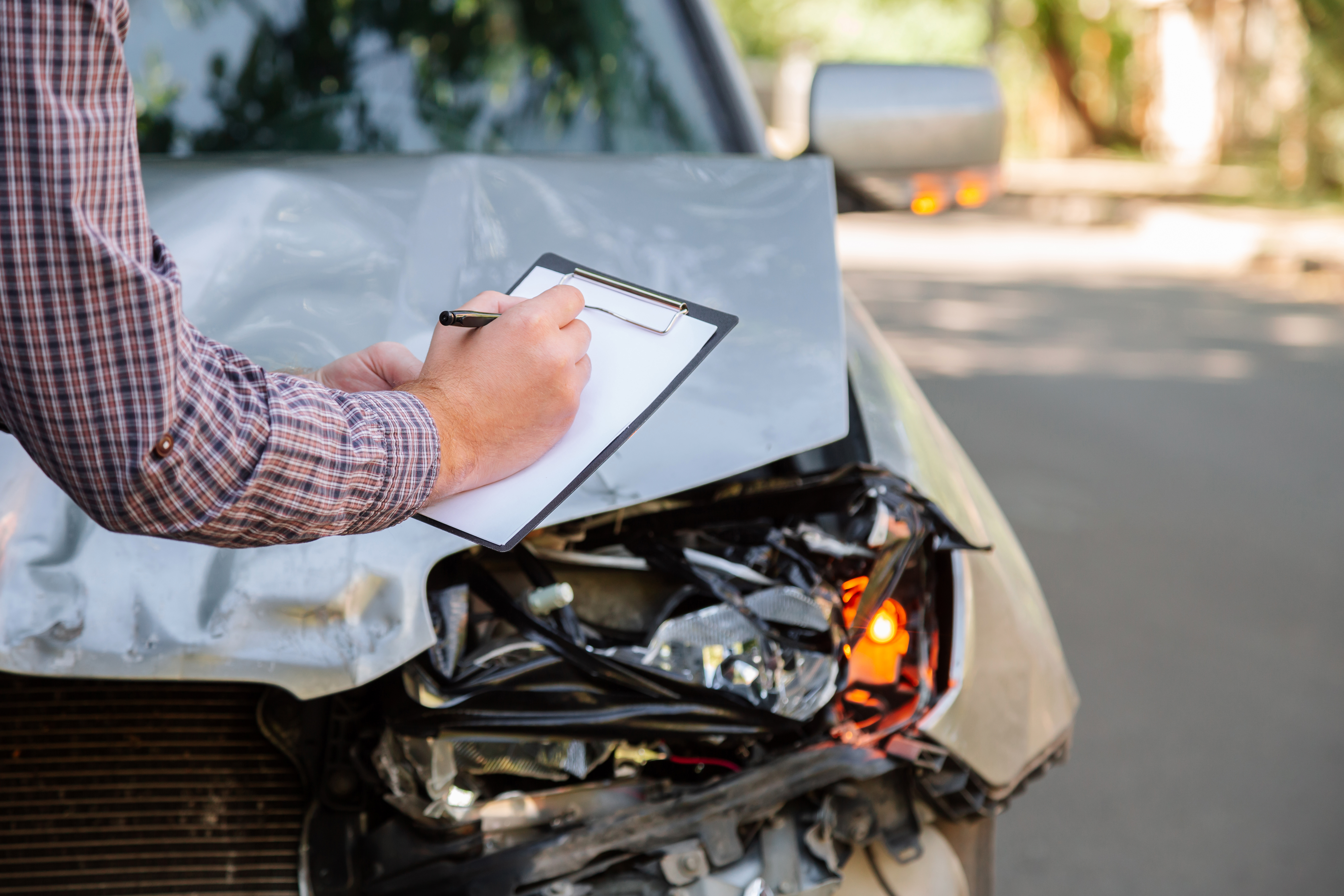
Understanding Employer Responsibility in Work-Related Car Accidents
When employees use a vehicle for job-related tasks—whether it belongs to the company or is their own car—the employer may share responsibility if a crash occurs. This concept is rooted in the legal principle of respondeat superior, which holds employers accountable for their workers’ actions when performed within the scope of employment. Typical examples include driving to client meetings, transporting goods, making deliveries, or running business errands. If the employee is traveling for purely personal reasons, commuting, or driving under the influence, responsibility generally shifts away from the employer and onto the employee’s personal insurance.
Motor vehicle accidents that occur during work duties are one of the most frequent sources of workplace injuries and fatalities. Every year, thousands of workers are hurt in collisions while on the job, often leading to missed workdays and long recovery periods. Many of these incidents stem from common driving hazards such as distracted driving, speeding, or fatigue. However, work-related travel introduces unique pressures like unfamiliar locations, time-sensitive schedules, and the need to balance driving with job responsibilities. Because of these added risks, employers should prioritize driver safety training, establish reasonable expectations, and keep company vehicles well maintained.
When an employee gets hurt in a car accident while performing job duties, workers’ compensation benefits typically apply. This system allows injured workers to receive medical care, rehabilitation support, and partial wage replacement without needing to prove fault. Even if the employee contributed to the accident, workers’ comp still provides coverage. What it does not include is compensation for pain and suffering. If someone else caused the crash—such as another driver or a manufacturer of faulty equipment—the injured employee may be able to pursue a separate third‑party claim. Employees who use their personal vehicles for work-related tasks can still qualify for workers’ comp, but repairs to their own vehicle must be processed through their personal auto insurance.
When company-owned vehicles are involved in a collision, how liability is assigned often depends on the specific circumstances. Most businesses carry insurance that covers accidents involving vehicles used for work, which can provide compensation for injuries or property damage suffered by others. But if the employee was acting outside the scope of their job, breaking company rules, or driving under the influence, they might be held personally responsible and could face penalties from their employer. There are situations where both parties share responsibility—especially when an employer failed to properly train or supervise the driver or neglected essential vehicle upkeep.
Ultimately, determining who is at fault in work-related vehicle crashes requires a careful review of why the employee was driving, how the employer manages its driving policies, and what insurance protections are in place. These factors influence how damages are paid, which benefits an injured worker receives, and what legal protections apply. Understanding these distinctions is valuable for both employees and employers, as it clarifies expectations and helps everyone prepare for the financial and legal implications of workplace driving risks.