
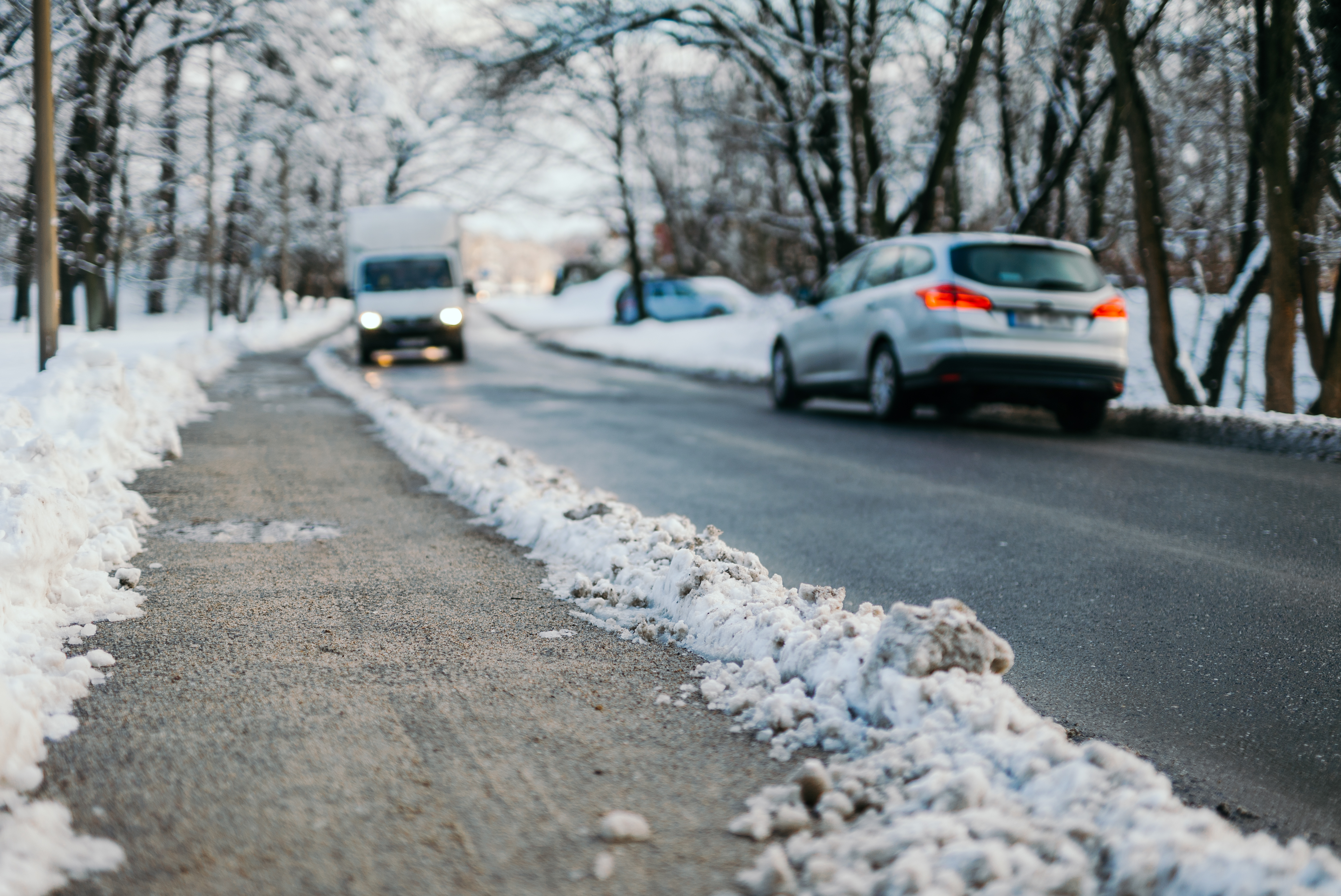
Staying Safe During Winter Driving and Walking Conditions
Winter weather brings a set of challenges that can make everyday travel far more dangerous than at other times of the year. Snow, freezing temperatures, and early sunsets increase the likelihood of accidents for both drivers and pedestrians. Understanding how winter conditions affect safety—and what rights you have if an accident occurs—can make a major difference when navigating the season.
Why Winter Roads Become More Hazardous
Cold-weather conditions dramatically affect driving. Data from the Federal Highway Administration shows that nearly one-quarter of all weather-related crashes happen on icy, slushy, or snowy pavement. An additional percentage occurs during active snowfall, when visibility is limited and surfaces become slick. These hazards make it harder to control a vehicle, slow down, or avoid sudden obstacles.
One of the most difficult dangers to spot is black ice. This thin, clear layer of frozen moisture blends in with pavement, making it nearly impossible to see. It often forms overnight or during early morning hours when temperatures drop sharply. Even seasoned drivers can lose control instantly after encountering black ice at regular speeds. Every year, icy roads play a role in more than 150,000 collisions and cause hundreds of fatalities across the United States.
Shorter daylight hours add to the risk. During the winter months, many people leave work or school after dark, which makes it harder for drivers to see pedestrians—especially when sidewalks are blocked with snow or individuals wear dark clothing. Roughly 80% of pedestrian fatalities occur at night, and winter only heightens this visibility problem.
Frequent Driver Errors That Lead to Winter Crashes
Many winter-related collisions stem from avoidable mistakes. A commonly overlooked issue is failing to remove snow and ice from a vehicle before driving. Snow left on the roof can fall forward onto the windshield or blow off and hit another car. Several states, including Pennsylvania and New Jersey, have penalties for drivers who neglect to fully clear their vehicles.
Other unsafe habits include driving too quickly for the conditions, tailgating, and forgetting to turn on headlights when visibility is poor. Sharp turns and sudden braking can also cause vehicles to lose traction, particularly on roads that haven’t been plowed or treated. These behaviors often contribute to multi-vehicle accidents during severe weather.
Winter Challenges on Rural Roads and Commercial Routes
Rural communities face their own winter-specific hazards. These areas often receive slower snow removal services, and roads may remain untreated longer. Overpasses and bridges tend to freeze earlier than standard pavement, and limited lighting makes it more difficult to spot icy patches or stalled vehicles. Longer emergency response times also mean injuries may be more severe when accidents occur in remote areas.
Commercial truck drivers face high levels of risk as well. Large trucks require a far greater stopping distance than passenger cars, and winter conditions reduce that margin even further. Even careful braking can lead to dangerous situations. Jackknife incidents—where trailers swing out at sharp angles—can block entire roadways and cause major pileups. The Federal Highway Administration estimates that snowy and icy roads contribute to more than 1,800 deaths each year, many involving large trucks.
One tragic example is the 2021 multi-vehicle crash near Fort Worth. Icy roads led to a devastating 130-car pileup that resulted in several deaths and dozens of injuries. Accidents of this scale show just how quickly winter conditions can turn deadly.
Low Visibility and Distraction: A Risky Mix
When roads are slick and visibility drops, every second of attention matters. Many drivers adjust temperature controls, defrost windows, or navigate through vehicle settings while moving. At the same time, pedestrians may be navigating snow, carrying items, or bundled in winter clothing that limits movement and visibility.
Children heading to school in the dark are especially difficult to see if they are not wearing reflective gear. Older adults may struggle with icy sidewalks or slower movement, increasing their risk when crossing streets. Combined with slippery roads and limited daylight, these factors create a dangerous environment for everyone on the move.
How Drivers Can Reduce Winter Risks
Taking a few preventive steps can dramatically improve safety during winter travel. Before driving, clear ice and snow from all parts of the vehicle: the hood, roof, mirrors, windows, and headlights. Reducing speed and leaving extra space between vehicles gives drivers more control on icy surfaces. Smooth, gradual braking helps prevent skidding and sliding.
It’s also wise to carry a winter emergency kit. Items such as a blanket, flashlight, scraper, and materials like sand or kitty litter can help if the car becomes stuck. These simple precautions can make a significant difference in extreme weather.
Precautions Pedestrians Should Take
Pedestrians can also help minimize winter risks. Wearing brightly colored or reflective clothing increases visibility to drivers. Whenever possible, use marked crosswalks and avoid stepping into the roadway, even if snow blocks walkways. Remaining aware of surroundings and avoiding distractions like texting while crossing can prevent dangerous situations.
When Accidents Occur, Legal Guidance Is Important
Even when people take precautions, winter accidents still happen—and the aftermath can be complicated. Weather-related collisions often result in difficult insurance negotiations and disagreements about fault. If you or someone close to you is harmed in a winter driving or pedestrian accident, speaking with a personal injury attorney can help clarify your rights and options.
A lawyer can evaluate the situation, handle communication with insurers, and pursue fair compensation for medical costs, missed wages, or pain and suffering. Acting quickly is important, as legal deadlines and evidence collection can affect the outcome of a claim.
If you’ve been hurt in a winter-related accident, don’t wait to get help. Reach out today to learn more about how to protect your rights and pursue the recovery you deserve.