
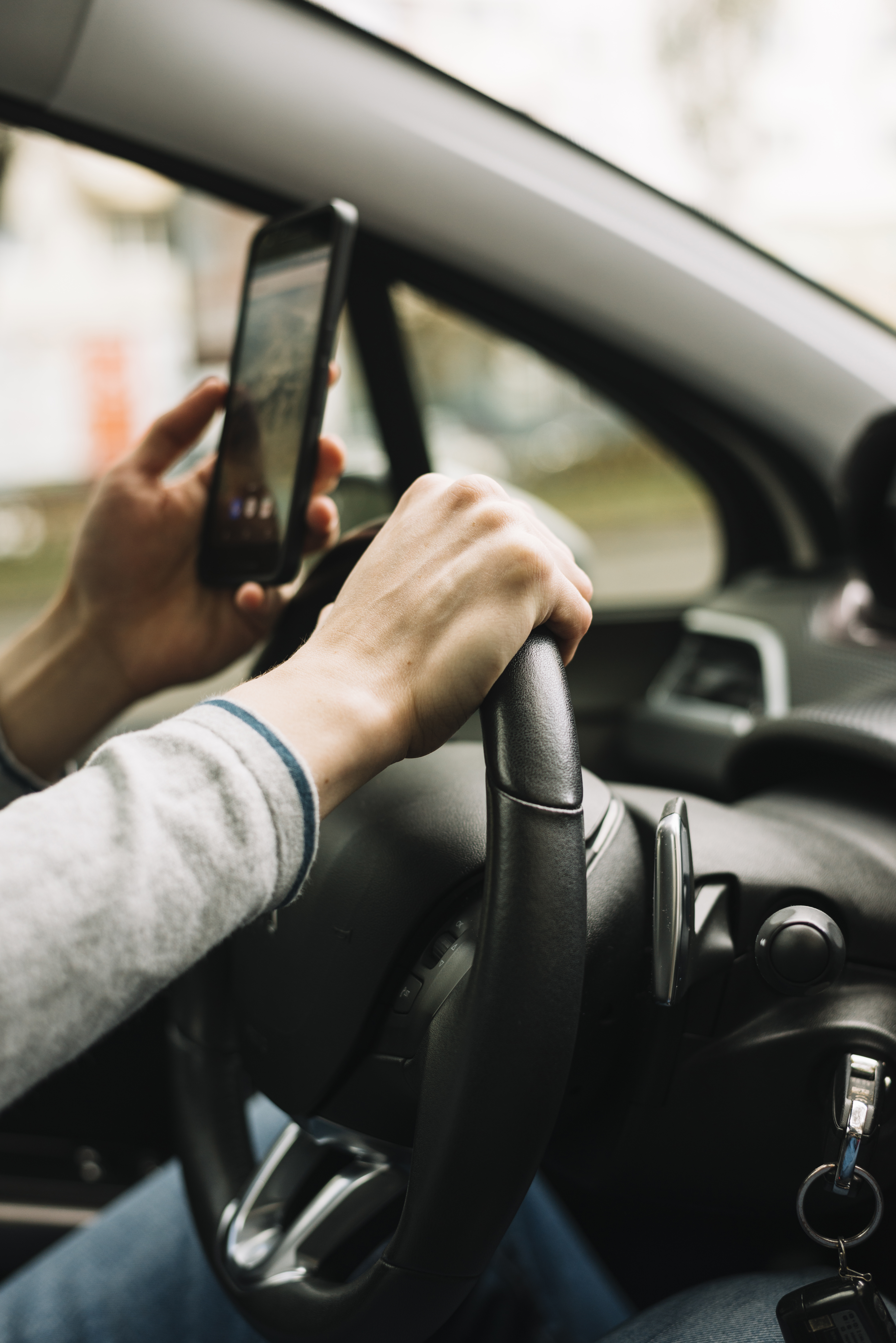
How Evidence Helps Prove Distracted Driving in Injury Cases
Distracted driving remains a major contributor to crashes nationwide, and proving that a driver was not paying attention can be challenging. Attorneys often rely on multiple forms of evidence to show what the driver was doing in the moments leading up to a collision. When combined, digital records, witness accounts, and physical clues offer a fuller picture of driver behavior and help establish negligence.
With Distracted Driving Awareness Month taking place in April, it’s an ideal time to understand how this evidence is gathered and why it plays such an important role in personal injury claims.
Digital Evidence: Uncovering Driver Activity
One of the most revealing sources of information in a distracted driving case is the driver’s cellphone. Records like call logs, text message timestamps, and app activity can indicate whether the driver was interacting with their device near the time of the crash. Even without viewing the content of messages, simple timing data can help demonstrate distraction.
However, accessing this information is often complex. Wireless carriers may retain records for only a limited period, and obtaining them typically requires a subpoena. In some cases, forensic analysis of the device is necessary to recover deleted information or identify background activity such as GPS use, social media browsing, or messaging app interactions that support the timeline of distraction.
Social media activity can also be a significant factor. A driver posting updates, sharing photos, or interacting with apps while on the road creates digital traces that may become key evidence. Location history, check-ins, and app interaction patterns can all help show that the driver’s attention was not on the road. When paired with phone logs and device data, these digital clues help establish a compelling narrative.
Eyewitness Testimony and Video Evidence
Statements from witnesses are another important tool in distracted driving cases. Drivers, passengers, and pedestrians may have noticed the at‑fault driver looking down, holding a phone, or engaging in other activities that took their attention away from driving. These observations help support the digital evidence gathered and add credibility to the claim.
In some situations, witnesses may describe what they observed immediately after the collision, such as a phone still illuminated or the driver admitting they were using their device. These firsthand details can strongly influence how liability is determined.
Video footage from traffic cameras, security systems, or dashcams is often especially valuable. If the recording shows behaviors like drifting across lanes, delayed braking, or obvious interaction with a device, it becomes powerful confirmation of distraction. Because many systems overwrite footage within a short window, prompt action is essential to preserve this evidence before it is lost.
Vehicle Data and Scene Investigation
Modern vehicles are equipped with event data recorders (EDRs), commonly referred to as black boxes. These devices capture information such as vehicle speed, steering input, brake use, and throttle activity in the seconds before a crash. If the data shows no attempt to brake or avoid the collision, it may indicate that the driver failed to notice the hazard due to inattention.
Physical evidence at the scene also adds vital context. Skid marks, debris patterns, and vehicle damage provide clues about what took place. For example, if a stopped vehicle is hit from behind with no evidence of braking, it strongly suggests the driver was not focused on the road.
Accident reconstruction specialists often analyze this information to create detailed models of the crash. Their evaluations help clarify what actions the driver could have taken to avoid the collision if they had been fully attentive.
Why Quick Action Matters
Although digital, physical, and video evidence can be extremely valuable, much of it is time-sensitive. Phone records, social media data, and surveillance footage are often stored for only a short period before being erased. Additionally, subpoenas and other legal requests cannot be submitted until a formal case has begun.
For these reasons, contacting a personal injury attorney as soon as distracted driving is suspected is one of the most important steps you can take. A legal team can act quickly to preserve data from phone carriers, social media platforms, and video sources. They also work to review vehicle information, secure expert evaluations, and gather scene evidence needed to build a strong claim. Waiting too long may result in key details being permanently lost.
Getting Support After a Distracted Driving Crash
Proving that a driver was distracted requires more than assumptions. It involves fast, strategic gathering of multiple forms of evidence to clearly show how the collision occurred. Whether the distraction involved texting, navigating apps, or scrolling through social media, uncovering these details often plays a major role in securing fair compensation.
If you believe distraction contributed to your accident, it’s important not to delay. A personal injury attorney can help you understand your options and begin the process of collecting essential evidence. Reaching out promptly can make all the difference in protecting your rights and pursuing the justice you deserve.