
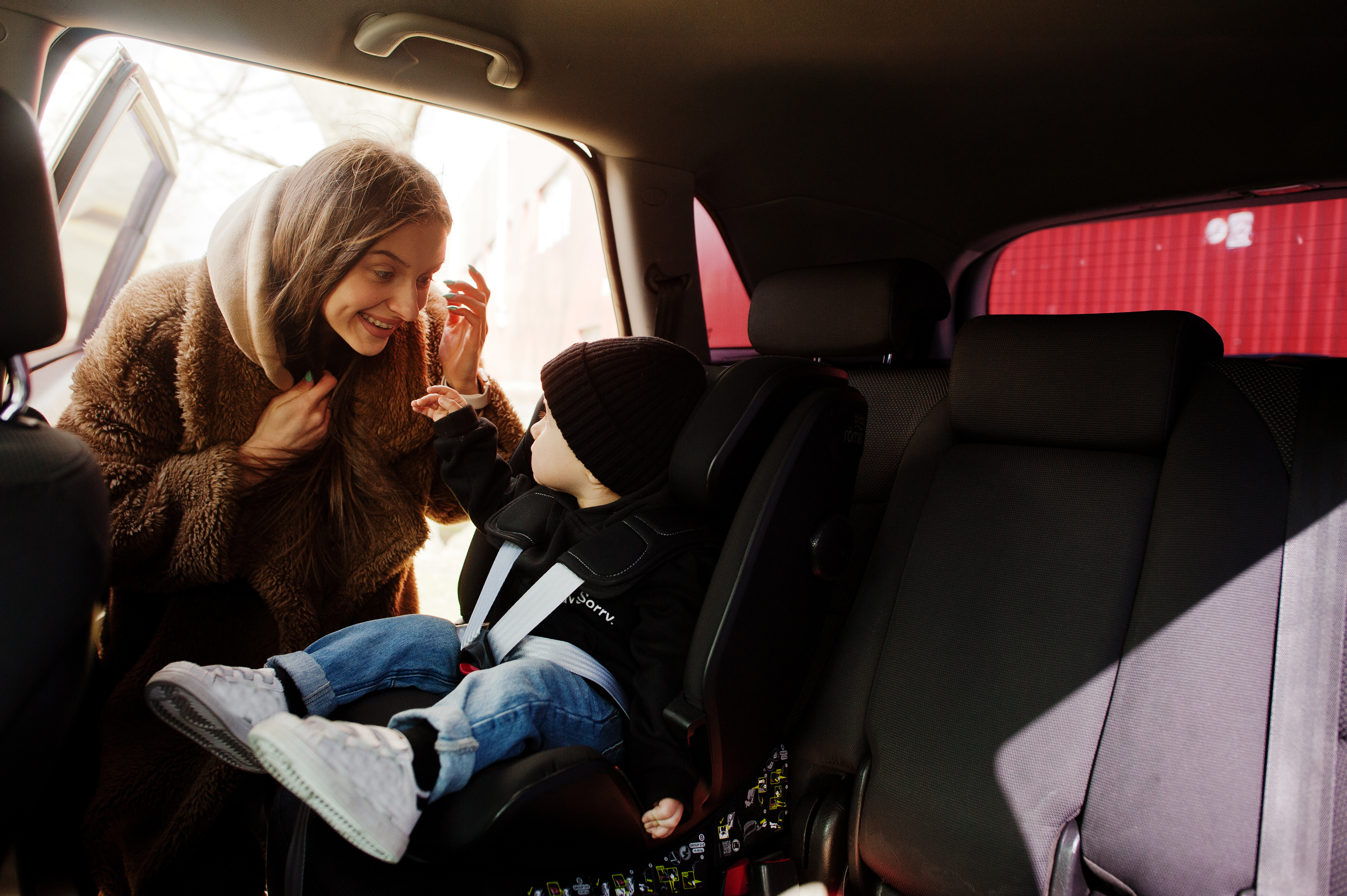
Child Passenger Safety Week Car Seat Tips
Child Passenger Safety Week, observed from September 20th through the 26th, serves as an important reminder for families to revisit how children are protected in vehicles. Parents, grandparents, and caregivers often rely on car seats daily, but even small oversights can impact how well those systems perform in an accident. Taking time to reassess car seat safety can help reduce the risk of injury and improve peace of mind on every trip.
Motor vehicle accidents remain a leading cause of injury among children nationwide. Properly selected and correctly used car seats and booster seats can significantly lower the likelihood of serious harm. A few simple checks and adjustments can make a meaningful difference in protecting young passengers.
Choosing the Right Car Seat for Your Child
Selecting the correct car seat is one of the most important aspects of child passenger safety. Children require different types of restraints as they grow, including rear-facing seats, forward-facing seats, booster seats, and eventually standard seat belts. Each stage is designed to provide protection based on a child’s height and weight.
Advancing a child to the next seat too early can reduce the level of protection during an accident. A properly fitted seat offers better support for the head, neck, and spine, which is critical in minimizing injury risk. Keeping children in the appropriate seat for as long as recommended helps maximize safety.
Caregivers should review manufacturer guidelines regularly to ensure the seat still fits their child’s current size. Growth can happen quickly, and what worked previously may no longer be the safest option. Staying informed helps families make better decisions for ongoing protection.
Why Proper Installation Matters
Even the most advanced car seat cannot perform as intended if it is not installed correctly. Installation errors are more common than many people realize, even among experienced caregivers. Ensuring the seat is properly secured is essential to reducing injury in a crash.
A correctly installed car seat should remain stable and not shift excessively at the base. If the seat moves too much or appears uneven, it may not provide the level of protection it was designed for. Small adjustments can greatly improve its effectiveness.
Installation instructions can sometimes be complex, so reviewing them carefully is important. When questions arise, seeking guidance can help ensure everything is set up properly. Attention to these details can make a significant difference in an accident scenario.
Paying Attention to Harness Placement
After installation, the harness system plays a key role in keeping a child secure. Straps should lie flat against the body without twisting and should be snug enough to eliminate excess slack. A properly fitted harness helps keep the child positioned safely during sudden stops or collisions.
The chest clip should typically sit level with the child’s armpits. This placement helps maintain proper alignment and ensures the harness functions as intended. Incorrect positioning can reduce the system’s effectiveness.
Loose straps or twisted harnesses can increase the risk of injury in an accident. Taking a moment before each trip to check the harness fit can help ensure consistent protection. These quick checks can become an easy and valuable habit.
Do Not Transition Out of Booster Seats Too Early
Booster seat use is often overlooked as children grow older. Many families assume children are ready for standard seat belts too soon, but these restraints are designed for adult bodies. Without proper fit, a seat belt may not provide adequate protection in an accident.
Booster seats help position the seat belt correctly across the chest and lap. This alignment is essential for reducing the risk of injury during a collision. Without it, the belt may sit improperly and fail to protect key areas of the body.
Most children need a booster seat until they reach approximately 4 feet 9 inches in height. Before transitioning, caregivers should ensure the lap belt rests across the upper thighs and the shoulder belt lies comfortably across the center of the chest. Proper fit is key to safety.
The Value of a Professional Car Seat Inspection
Child Passenger Safety Week is an ideal time to schedule a professional car seat inspection. Even when everything appears correct, an expert review can provide added confidence. These checks can help identify issues that may otherwise go unnoticed.
Certified Child Passenger Safety Technicians are trained to evaluate installation, answer questions, and ensure proper use. They can identify common mistakes and recommend adjustments to improve safety. Many inspections are available at no cost, making them accessible for families.
As children grow and transition between different seat types, regular inspections can help maintain proper protection. Staying proactive can reduce the risk of injury and support safer travel habits.
Building Safer Habits Every Day
Child passenger safety requires ongoing attention rather than a one-time setup. Children’s needs change quickly, and their car seat configuration should be reviewed regularly. Consistent checks help ensure the highest level of protection is maintained.
Simple habits such as verifying proper installation, checking harness placement, and confirming booster seat readiness can significantly reduce the chance of injury in an accident. These small actions can have a lasting impact on overall safety.
Child Passenger Safety Week serves as a valuable reminder to revisit these essential practices. Staying attentive and informed helps families better protect their children on every trip.
At Halpern & Associates, we understand how devastating an accident can be for families. If you have questions about a personal injury matter, an injury claim, or your legal rights following an accident, our team is here to provide trusted guidance and support when you need it most.